We’re Officially the Tenth Largest City in the Nation
Fort Worth's historic courthouse near the banks of the Trinity River. (Photo by Visit Fort Worth)
Fort Worth's historic courthouse near the banks of the Trinity River. (Photo by Visit Fort Worth)
Source:
We’re Officially the Tenth Largest City in the Nation
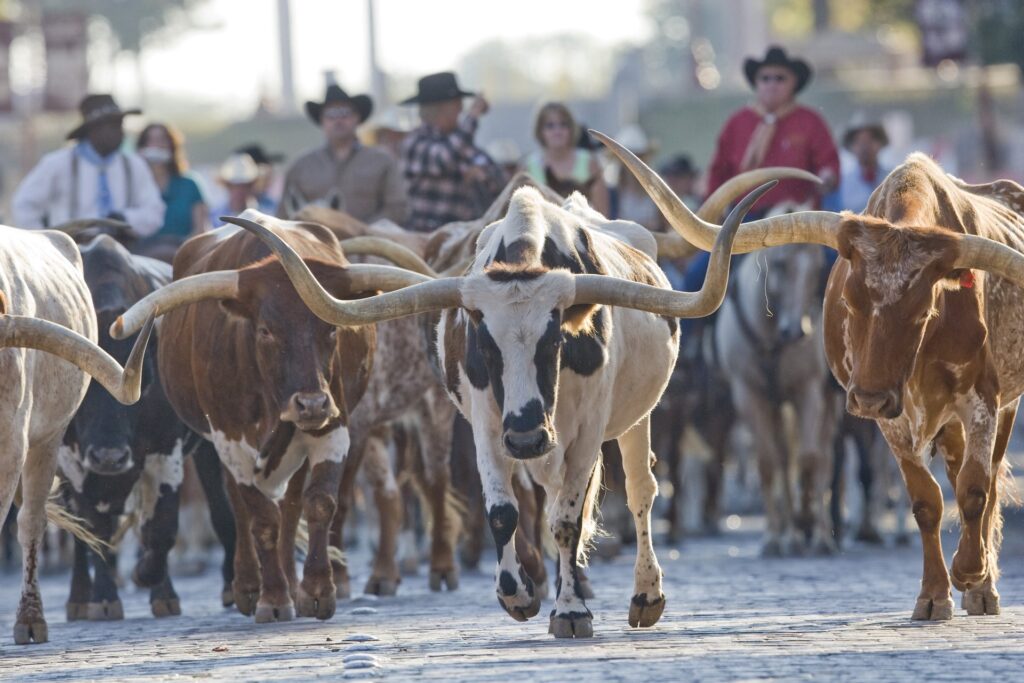
Fort Worth's embraces its Western heritage with a daily cattle drive in The Stockyards. (Photo by Visit Fort Worth)
Fort Worth's embraces its Western heritage with a daily cattle drive in The Stockyards. (Photo by Visit Fort Worth)
Source:
We’re Officially the Tenth Largest City in the Nation
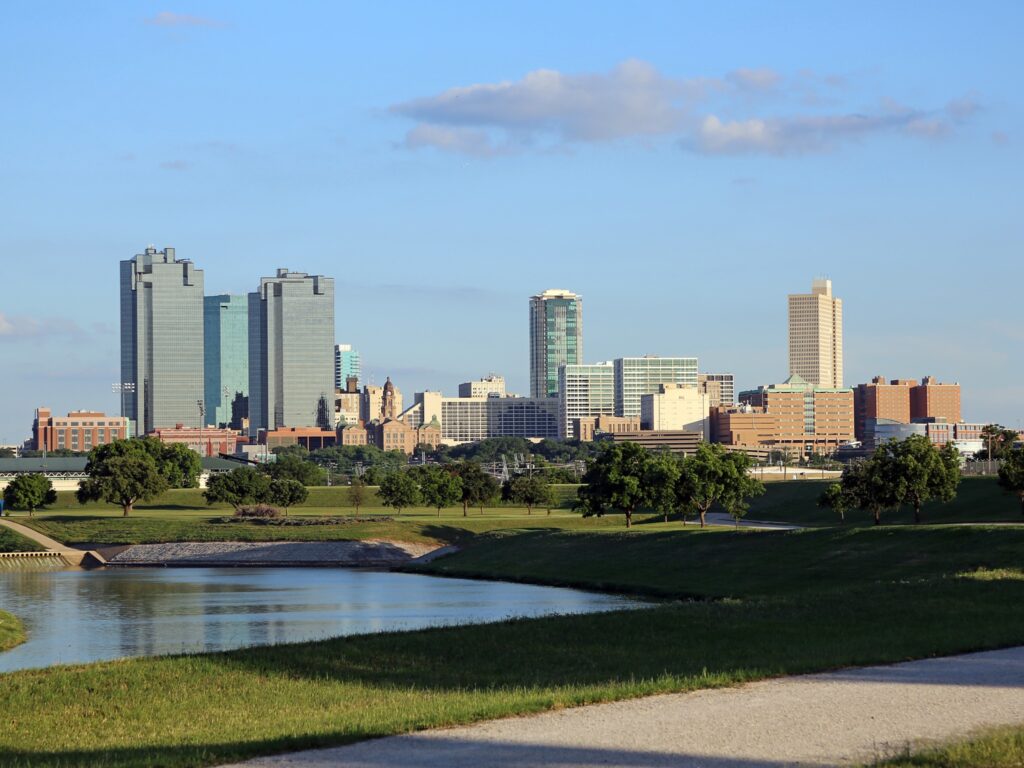
Fort Worth has urban areas and green spaces to spare. (Photo by Visit Fort Worth)
Fort Worth has urban areas and green spaces to spare. (Photo by Visit Fort Worth)
Source:
We’re Officially the Tenth Largest City in the Nation
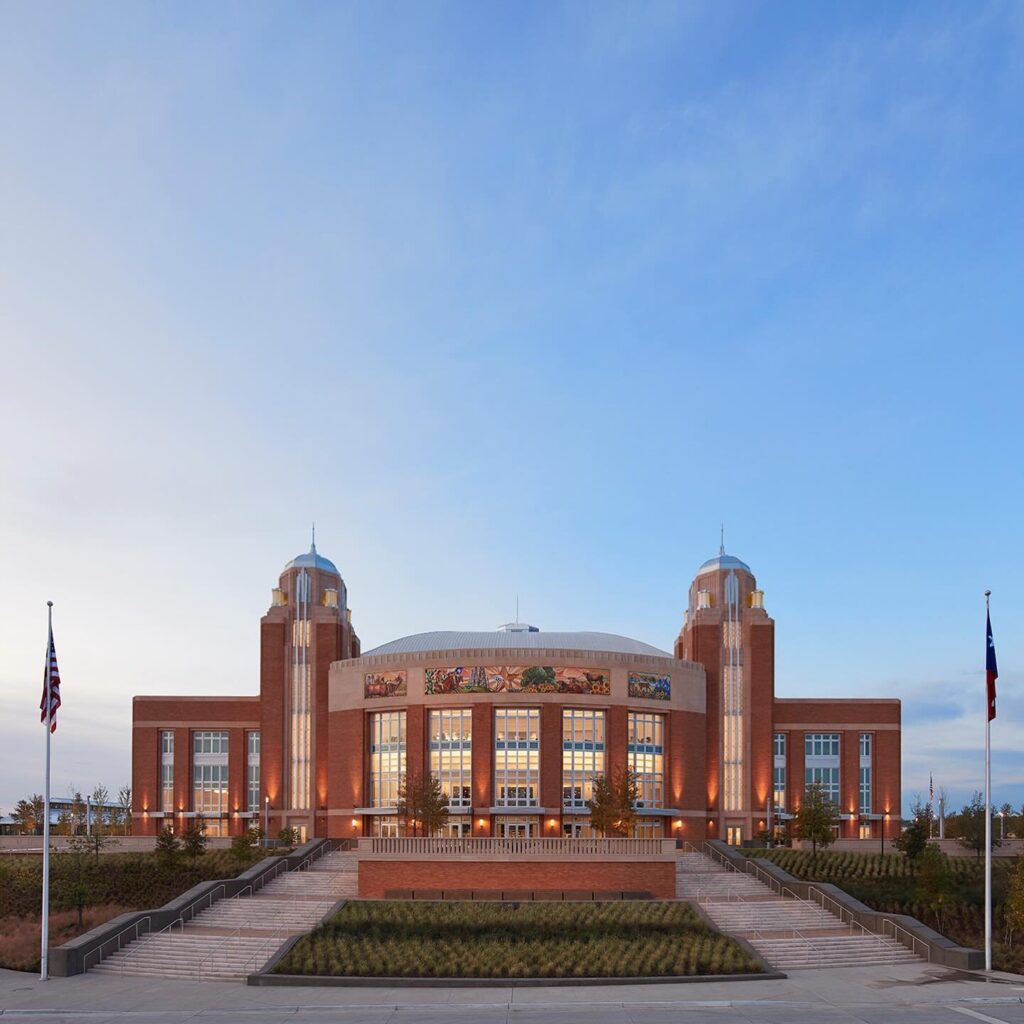
Fort Worth's Dickies Arena has welcomed the world to concerts and sporting events. (Photo by Visit Fort Worth)
Fort Worth's Dickies Arena has welcomed the world to concerts and sporting events. (Photo by Visit Fort Worth)
Source:
What we’ve all known for a while now has finally been confirmed by the United States Census Bureau. Of course, Fort Worth is not the only local Texas metropolis on the list. The state has seen great gains in recent years. Folks in search of great jobs plus lower home prices and taxes have been flocking to the Lone Star State in droves. Fort Worth’s rise to the tenth largest in the nation has been remarkable. Here’s what the new numbers reveal.
Fort Worth got its folksy moniker, Panther City, because at one time it was so quiet that it was said a panther could lie down for a nap in the middle of the street. Those days are long gone. And, while our rush hours are not as harrowing as either Houston or Dallas ― the often-overlooked City of Fort Worth is no longer in the shadows.
We are officially the tenth most populous city in America. Let that sit and soak for a bit.
The Census Bureau Makes it Official
Fort Worth’s Dickies Arena has welcomed the world to concerts and sporting events. (Photo by Visit Fort Worth)
In its most recent news release dated May 14, 2026, the Census breaks down the winners and losers around the nation. While some of the nation’s largest cities faced the sharpest declines in population growth, big and small cities in Texas have welcomed droves of new residents.
“Growth slowdowns in the nation’s largest cities were most pronounced in the Northeast,” they say, including New York City.
Of the top 10 most populous cities in the nation, four of them are located in Texas. No other state has more. By comparison, California has only two ― Los Angeles at No. 2 and San Diego dropping to No. 8.
In the latest report, Houston remains firmly planted at No. 4. San Antonio has jumped up one spot, taking the No. 7 position (another often overlooked Texas city). Dallas remains in its No. 9 spot, and Fort Worth lands (for the first time ever) in the No. 10 position.
The most shocking thing for native Fort Worthians to swallow (and I’m sure for our neighbors to the East) is that the distance between Fort Worth and Dallas has narrowed to just 300,000 people. Yikes! Austin has also crossed the 1-million resident mark, now ranking at No. 12 in the nation.
Texas Cities Make Gains Across the Board
Fort Worth’s embraces its Western heritage with a daily cattle drive in The Stockyards. (Photo by Visit Fort Worth)
Of the top 15 cities with the “largest numeric increase” in population, Fort Worth came in second with a gain of 19,512. That puts us just behind Charlotte, North Carolina, which gained 20,731 during the same time period. Texas cities dominate that list of 15, which includes San Antonio, Celina, Houston, Fulshear, and McKinney.
Likewise, Texas outpaced the rest of the nation in the metric of “15 fastest growing cities over 20,000.” Eight of those 15 are Texas towns ― Celina, Fulshear, Princeton, Melissa, Anna, Forney, Hutto, and Greenville.
Unfortunately, our state also leads the nation in data centers under construction. But that’s a different report, for another day!
Fast Growing ― No Longer Up and Coming
Fort Worth has urban areas and green spaces to spare. (Photo by Visit Fort Worth)
According to The Census, “The top five fastest-growing cities in the nation with populations of 20,000 or more were all in Texas, with four of them clustered in the suburbs of the Dallas-Fort Worth-Arlington metro area and the fifth located outside Houston.”
That might be the first time I have seen us referred to as the Dallas-Fort Worth-Arlington metro area, but Arlington definitely deserves the name recognition.
If it feels like Tarrant County (including Arlington) is undergoing a major building boom, this confirms it. More residents mean more housing needs. It’s no surprise that, “Rounding out the top five counties by numeric gain in housing units were Harris County, Texas (28,000 units); Kings County, N.Y. (19,000); Los Angeles County, California (19,000); and Tarrant County, Texas (18,000).”
We knew the official upgrade was coming, and now Fort Worth can say we are the tenth-largest city in the nation. No longer sleepy Panther City. No longer seen as a suburb of Dallas (which we never were, by the way). I think Amon Carter would be proud.