

The Amon Carter Museum of American Art (the Carter) has the experience of Black Americans in its spotlight with its new spring exhibit. Black Photojournalism features the work of more than 60 photographers in an astounding retrospective of over 250 photographs. Black Photojournalism will be on view at the Carter March 15 through July 5, 2026.
The exhibit showcases the work of photographers across the United States between 1945 and the mid-1980s. It’s a snapshot in time from an era of unbelievable change for Black American culture and communities. Black Photojournalism “highlights the groundbreaking role of Black photojournalists in documenting both pivotal historical events in addition to the everyday lives of Black Americans,” according to a release.
“Black Photojournalism continues the Carter’s commitment to providing a more comprehensive view of American artistic expression,” says Scott Wilcox, Interim Director of the Carter.
“This exhibition not only celebrates the artistry and vision of these photojournalists but also amplifies the stories and communities that have often been underrepresented in the history of American media and art. We are grateful to Carnegie Museum of Art for organizing this exhibition and to the many photographers, publishers, and archives whose work allows us to share these powerful images with Fort Worth audiences.”
A Moment In Time Captured by Those Who Were There
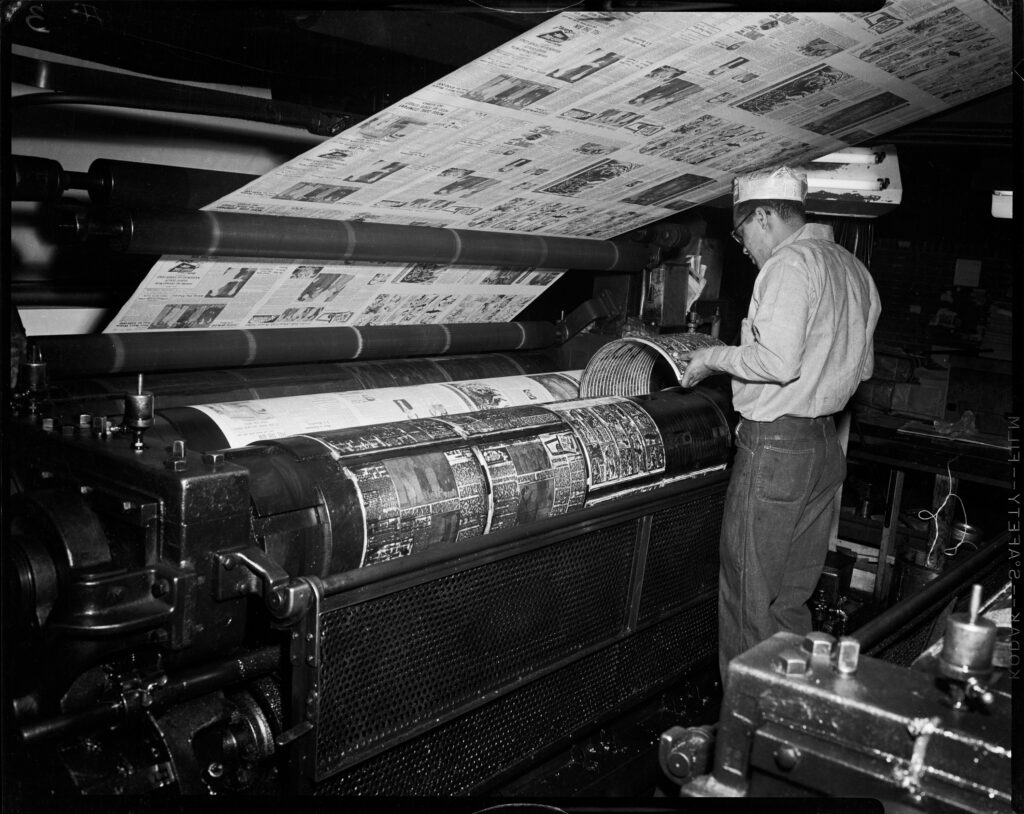
From the rise of Black-owned media following World War II to the civil rights movement and beyond, these images showcase the vital contributions of Black photojournalists in shaping how people saw themselves and their communities. Their photographs not only documented moments of social change but also captured the vibrancy of daily life, offering a fuller and more nuanced portrayal of Black experiences in America. Together, these works underscore how photojournalism served as both a record of history and a tool for empowerment, they say.
“Black Photojournalism is a rich and unprecedented opportunity to see how Black photographers persistently and imaginatively captured Black life in the history-making decades of the post-World War II era,” said Charles Wylie, Curator of Photographs at the Carter.
“Carnegie Museum of Art has created an extraordinary experience for visitors that breaks new ground with a much fuller look than ever before at how Black life was represented in the vibrant Black press. A special feature will be the chance to see how well-known artists such as Kwame Brathwaite, Gordon Parks, Ming Smith, and Shawn Walker, among many, produced photographs for the pages of Black media outlets that have now achieved iconic status as works of art.”
Explore Decades of Black American History
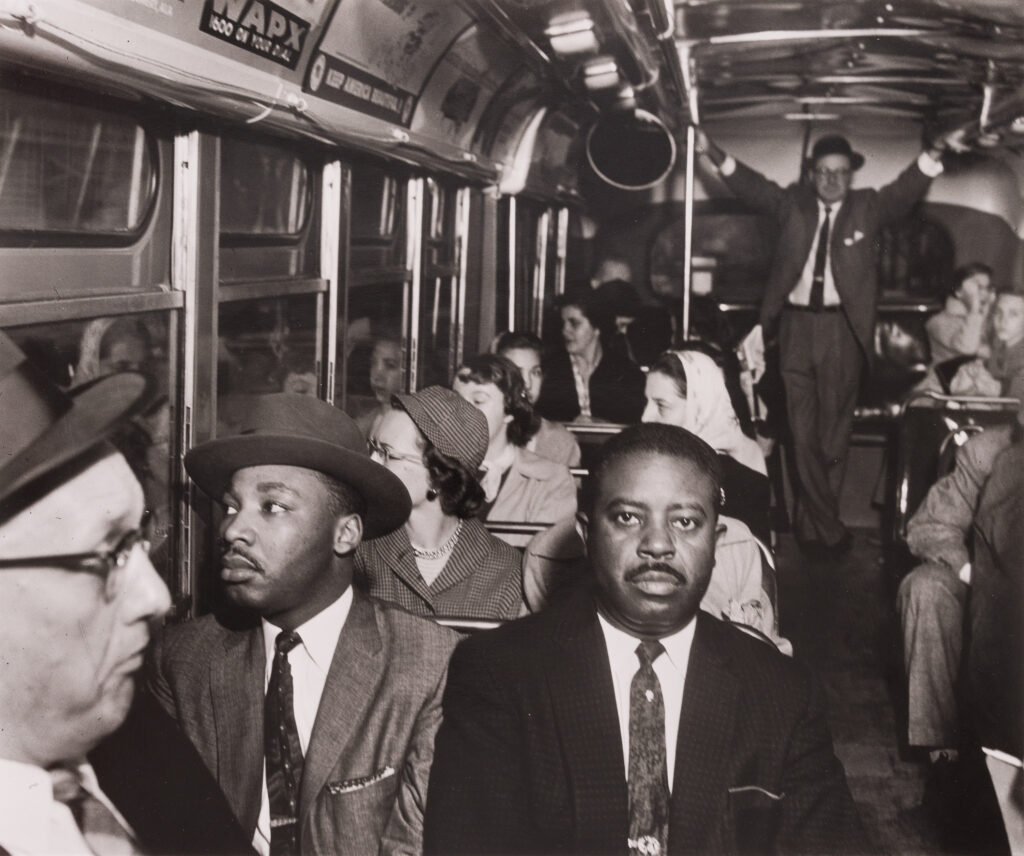
The exhibition is arranged chronologically, with sections organized by decade.
1940s–1950s: America After the War, “reflects the hopes and dreams of Black Americans in the aftermath of World War II.” African Americans who served in the war, came home to continued segregation, economic disparity, and limited opportunities. But, the rise of Black media, including Ebony and the Pittsburgh Courier, gave voice to a marginalized community.
1960s: Black Is Beautiful, “documents a transformative era of liberation, expression, and hope.” The 1960s brought a sense of cultural pride, and a fight for equal rights. “Photographers in this decade, including Guy Crowder, Chester Higgins, and Ernest Withers, captured civil-rights milestones alongside everyday community life.”
1970s: Can You Dig It? Photojournalists of this era “documented the influence of Black Power, the Black Panther Party, and the emergence of blaxploitation films like Gordon Parks’s Shaft (1971), reflecting a society attuned to both struggle and style.” The community “claimed space, culture, and visibility in a rapidly changing world.”
1980s: Keep Hope Alive is the final chapter of this exhibition. “Named after Jesse Jackson’s 1988 campaign slogan, this section reflects the complex realities of Black life in the 1980s, a decade shaped by systemic disenfranchisement, the war on drugs, and mass incarceration.” Black photojournalists including Adger Cowans, Bruce Talamon, and Deborah Willis-Ryan documented this decade.
Black Photojournalism is organized by Carnegie Museum of Art. It’s just one of the fabulous new exhibits in the Fort Worth’s Museum District.